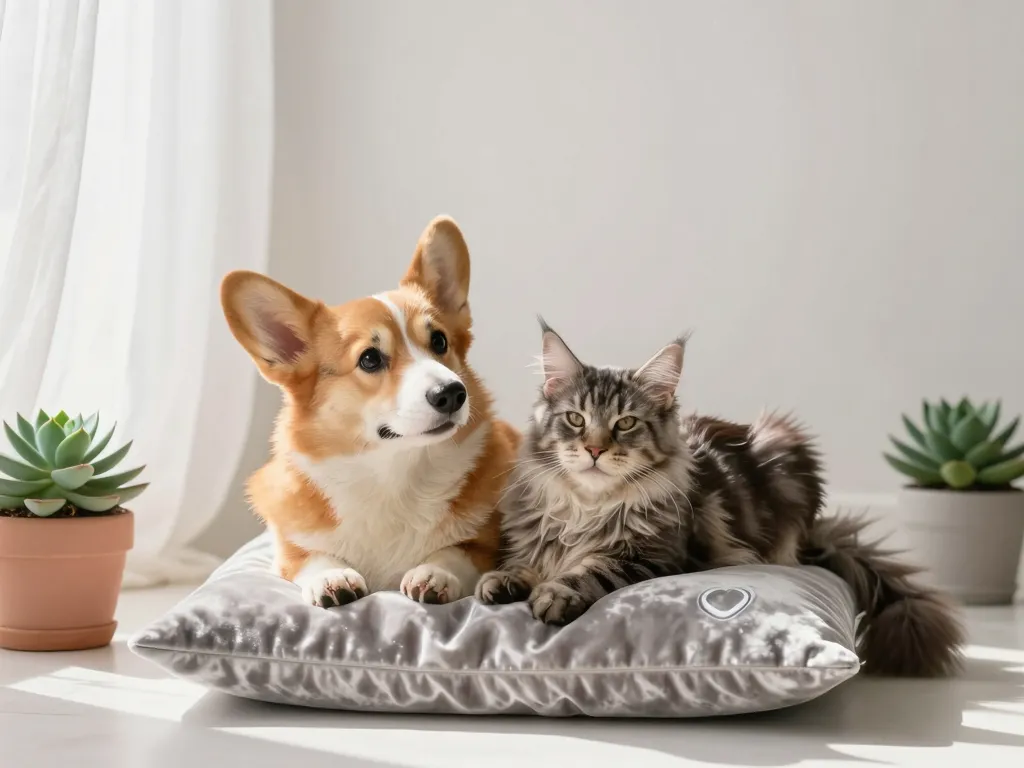
Choosing the Right Pet for Your Lifestyle
Choosing a pet can be one of the most rewarding experiences of your life, but it’s essential to select one that fits well with your lifestyle. Here’s a step-by-step guide to help you make the right choice.
Subsection 1.1: Assess Your Living Situation
Before diving into pet selection, evaluate your home environment. Consider these factors:
- Space: Do you live in a small apartment or a house with a yard? Larger animals may need more space.
- Allergies: Are there allergies in your household? Some pets are more hypoallergenic than others.
- Lease Restrictions: If you rent, make sure your lease allows pets. Check for breed or size restrictions.
Subsection 1.2: Determine Your Commitments
Different pets require varying levels of care and time commitment. Here’s how to assess your availability:
- Daily Time: For instance, dogs need daily walks, while cats can be more independent.
- Financial Commitment: Factor in food, vet visits, and supplies. A dog can be more expensive than a fish.
- Long-Term Commitments: Consider the lifespan of the pet. Some birds can live 20-30 years, while hamsters may live only 2-3 years.
Subsection 1.3: Research Pet Types
Different pets come with different needs and personalities. Take the time to research various types:
- Dogs: Great companions but need training and socialization.
- Cats: Independent yet affectionate; they typically manage on their own.
- Small Animals: Such as hamsters or rabbits; they require less space and are often easier for beginners.
Basic Pet Training Techniques
Training your pet is vital for a harmonious relationship. Here are essential techniques to get you started.
Subsection 2.1: Positive Reinforcement
Using positive reinforcement is one of the most effective training methods. Here’s how to implement it:
- Identify Rewards: Find what motivates your pet (treats, toys, praise).
- Timing: Reward your pet immediately after they perform the desired behavior.
- Consistency: Use the same commands and signals to avoid confusion.
Subsection 2.2: Basic Commands
Teaching basic commands can enhance safety and improve behavior. Start with these:
- Sit: Hold a treat above their nose and move it back to encourage sitting.
- Stay: Have them sit, then back away, rewarding them if they stay put.
- Come: Use a leash in a safe area and call them, rewarding them for returning.
Subsection 2.3: Socialization Tips
Socializing your pet is crucial for their development. Here’s how to do it effectively:
- Introduce Gradually: Start with controlled environments and introduce them to new people and pets.
- Positive Experiences: Ensure every encounter is pleasant with treats and praise.
- Regular Exposure: Continue socializing throughout their life for balanced behavior.
Creating a Safe Environment for Your Pet
Ensuring your home is safe for your pet is fundamental. Follow these steps to minimize risks.
Subsection 3.1: Pet-Proofing Your Home
Prevent accidents by pet-proofing your living space. Here’s what to do:
- Secure Cables: Hide or cover electrical cords to prevent chewing.
- Store Toxic Items: Keep household cleaners and medications out of reach.
- Close Off Dangerous Areas: Use baby gates to block stairs or hazardous areas.
Subsection 3.2: Choosing Safe Toys
Toys play a crucial role in your pet’s well-being. Here’s how to choose them:
- Size Matters: Select toys appropriate for your pet’s size to prevent choking.
- Material Safety: Avoid toys with small parts or toxic materials.
- Regular Checks: Inspect toys regularly for damage and replace worn-out ones.
Subsection 3.3: Providing Safe Spaces
Creating a haven for your pet can reduce anxiety. Consider these steps:
- Comfort Zone: Set up a designated area with a bed and favorite toys.
- Quiet Environment: Choose a spot away from noise and foot traffic.
- Outdoor Safety: If your pet goes outside, ensure the yard is secure and free from hazards.
Understanding Common Pet Health Issues
Knowing potential health issues can help you act swiftly. Here’s a rundown on common concerns and what to watch for.
Subsection 4.1: Recognizing Symptoms of Illness
It’s essential to be vigilant about your pet’s health. Keep an eye out for these symptoms:
- Changes in Appetite: A sudden increase or decrease can indicate health issues.
- Behavior Changes: Lethargy or aggression can be signs of discomfort or illness.
- Physical Signs: Watch for unusual lumps, bumps, or excessive grooming.
Subsection 4.2: Routine Vet Visits
Regular check-ups are key to maintaining your pet’s health. Here’s how to establish a routine:
- Schedule Annual Visits: Dogs and cats should see the vet at least once a year.
- Vaccinations: Stay updated on necessary vaccinations for your pet’s age and lifestyle.
- Dental Care: Regular dental check-ups are crucial for overall health.
Subsection 4.3: Preventative Care Tips
Prevention is often easier than treatment. Follow these best practices:
- Healthy Diet: Feed high-quality food suited for your pet’s age and activity level.
- Regular Exercise: Ensure your pet gets adequate daily exercise to maintain a healthy weight.
- Parasite Control: Use flea and tick prevention products as recommended by your vet.
Nutritional Needs for Your Pet
Proper nutrition is vital for your pet’s health and happiness. Here’s how to ensure they get the right diet.
Subsection 5.1: Understanding Pet Food Labels
Knowing how to read pet food labels can help you choose the best options. Here’s what to look for:
- Ingredients List: The first ingredient should be a high-quality source of protein.
- Avoid Fillers: Stay away from foods with fillers like corn, soy, and artificial additives.
- Life Stage Formulas: Choose food appropriate for your pet’s age (puppy, adult, senior).
Subsection 5.2: Portion Control
Feeding the right amount is crucial. Here’s how to manage portion sizes:
- Follow Guidelines: Use feeding guidelines on the packaging as a starting point.
- Adjust for Activity: Increase portions for active pets and decrease for less active ones.
- Monitor Weight: Regularly check your pet’s weight and adjust food intake as needed.
Subsection 5.3: Special Dietary Needs
Your pet may have specific dietary requirements. Here’s how to accommodate them:
- Allergies: Consult your vet if you suspect food allergies; they may recommend a specialized diet.
- Health Conditions: Pets with conditions like diabetes may require special food.
- Homemade Diets: If considering homemade meals, consult your vet to ensure nutritional balance.